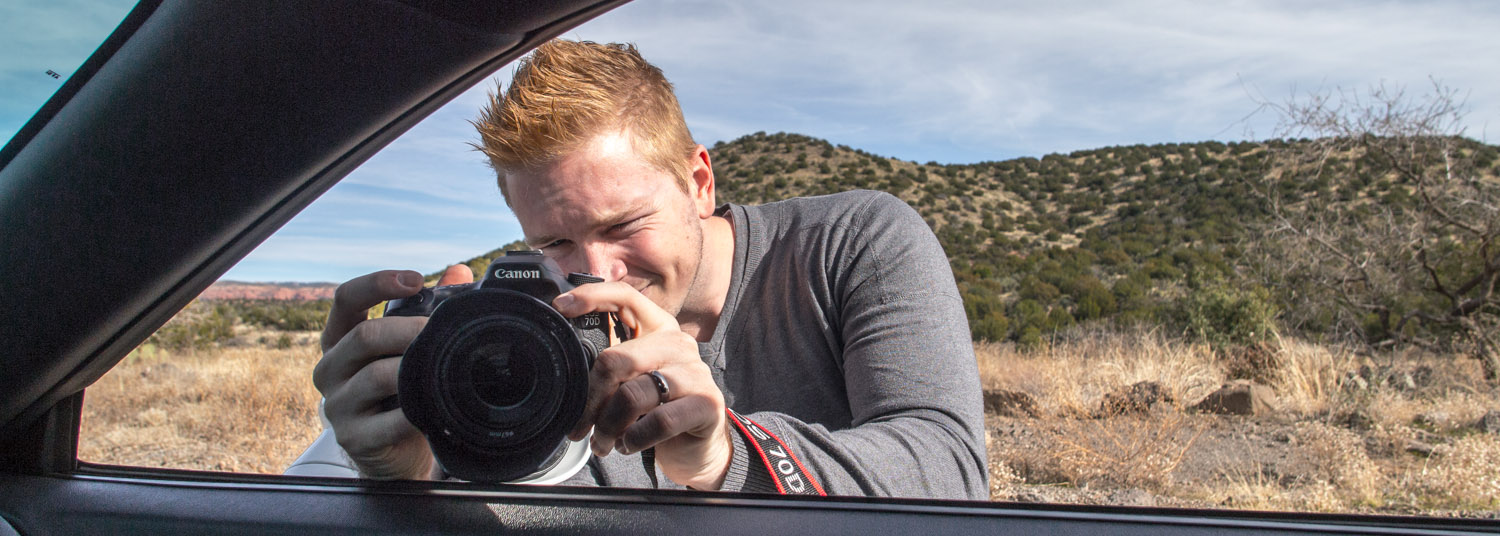
About Nick Reese
I'm Nick Reese. I build ambitious things with AI—and share what works, what breaks, and what I change. I've spent nearly 20 years building data-driven businesses, working on programmatic SEO and lead generation.
I deeply believe that distribution controls destiny in business. If you can hack distribution via marketing, incentive alignment, or business model innovation, winning is easy. Just like in math, much of building a business comes down to getting the order of operations right.
I live by a simple motto: Do cool stuff and tell people about it.
What I'm Up To
I'm building USA Arms, a directory helping people find ranges, instructors, firearms dealers, clubs, and other local resources. On YouTube, I share the work behind it: local hardware, AI agents, and the systems that turn their output into something useful. Along with the occasional hardware rabbit hole.
About This Site
This site is 20 years old. Today it's home to my films, experiments, and practical guides for building with AI.
I've kept the earlier writing on business, marketing, and consulting. People still tell me it's helped them, and the lessons about distribution and judgment haven't gone away.
Between 2012-2014 I was actively creating content for freelancers looking to grow their businesses. Then a startup took off and I chose building over blogging. Looking back, it was the right call.
In 2020, I rebuilt this site to showcase Elder.js, the static site generator I open-sourced. Now it runs on Boom, my latest framework experiment.
I wrote this in 2012. My life has changed — married with kids now — but the principle still holds.
A Story of Two Friends
Two friends graduated college with finance degrees. Same grades, same ambitions, both ready to change the world.
Both landed six-figure offers from their dream companies.
One took the job. The other took the advice of a rogue mentor and kept building the tiny internet business he'd started in a dorm room.
Years passed. On paper, their lives looked similar — both worked hard, made good money, were considered successful.
But the details told a different story.
The corporate friend worked 60-hour weeks and lived for his two yearly vacations — brief escapes from the grind.
The entrepreneur also worked 60-hour weeks at first. But over time, he built a life where he could travel, pursue what interested him, and work on his own terms.
They'd lost touch. Then one day, they ran into each other.
Over drinks, catching up, one asked: "What does success look like to you?"
The corporate friend said: "Making enough to retire and buy a yacht."
The entrepreneur said: "Making enough to live life on my own terms."
They looked at each other and smiled.
I'm the one who didn't take the corporate job.
It was risky. It worked out.